

Why More Small Businesses Are Rethinking HR at Year-End
For many small business owners, year-end used to mean one thing: paperwork.
But more and more, we’re seeing a shift. Instead of viewing year-end as just a compliance checkpoint, small businesses are using it as a moment to reflect, reset, and rethink how HR is really working for them. And often, that reflection leads to bigger questions.
By the time December rolls around, patterns are hard to ignore.
Business owners can clearly see where time was lost, which processes caused the most stress, how often HR issues pulled focus away from growth, and whether employees felt supported—or confused.
There’s a reason these realizations surface at year-end.
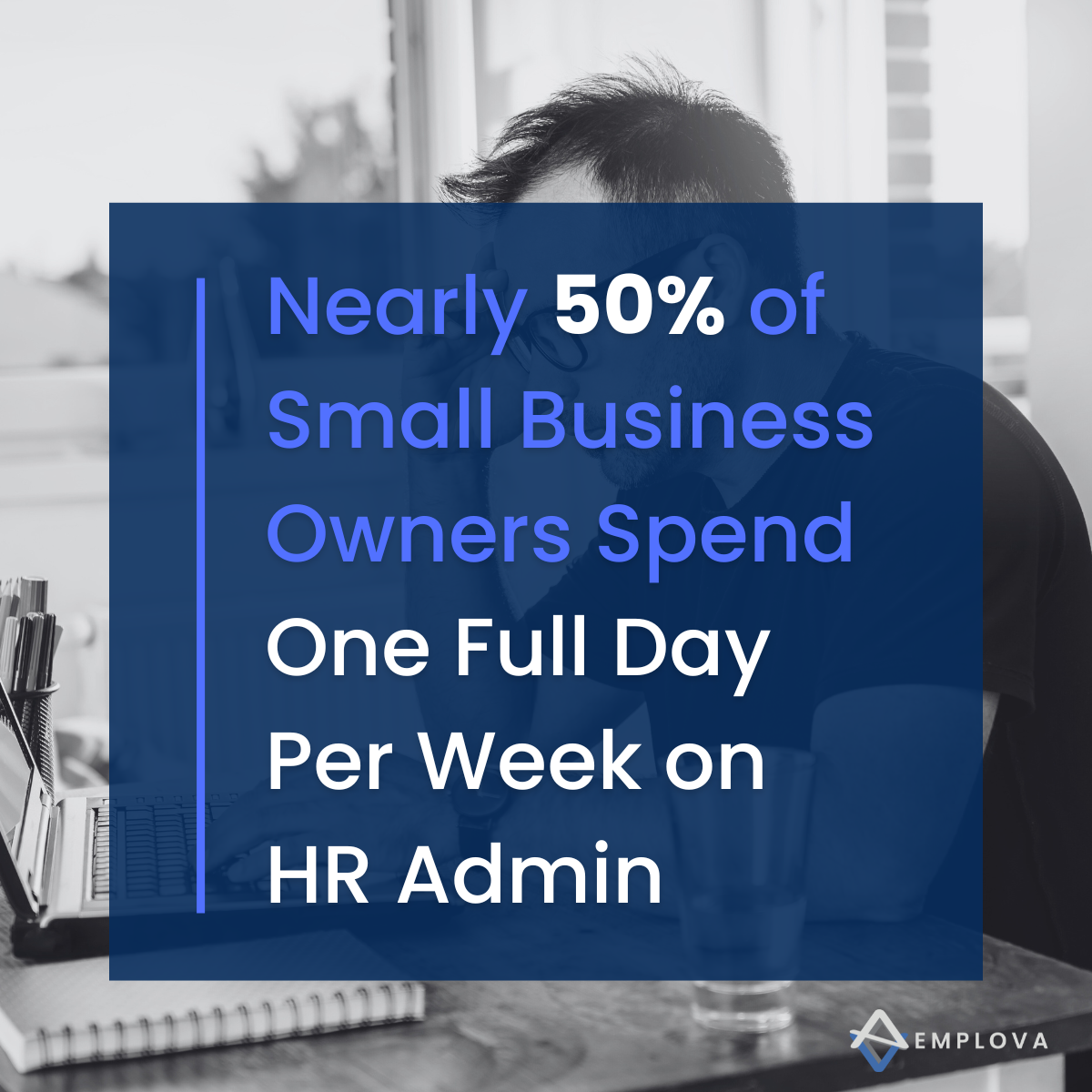
Industry research shows that nearly half of small business owners spend up to one full day each week on HR-related administrative tasks. Over the course of a year, that time adds up quickly—time that could otherwise be spent leading teams, growing the business, or focusing on long-term strategy.
When HR responsibilities live on the owner’s desk—answering employee questions, managing benefits, and reacting to issues as they arise—it creates a constant sense of playing catch-up. Not because business owners aren’t capable, but because HR was never meant to compete with running the business itself.
Year-end offers a rare pause. One where leaders can step back, look at the full picture, and evaluate HR honestly—without the pressure of daily firefighting. And for many, it’s the moment they begin to rethink what support should look like moving forward.
Year-End Brings Clarity—Not Just Deadlines
Year-end offers a rare pause. One where leaders can step back and evaluate HR honestly, without the pressure of daily firefighting. During this reflection, many business owners begin to notice the same themes:
HR questions interrupting the workday more often than expected
Benefits that employees don’t fully understand or utilize
Processes that grew organically but never became efficient
Leadership time being pulled away from growth and strategy
None of these issues typically surface all at once. Instead, they accumulate quietly over the course of the year—and year-end is when they finally become visible.
The Hidden Cost of “Good Enough” HR
Most small businesses aren’t ignoring HR. They’re managing it just well enough to keep things moving. Payroll runs. Policies exist. Benefits renew. But “good enough” often comes with hidden costs that aren’t immediately obvious. Those costs can include:
Time spent answering repetitive employee questions
Delayed responses to sensitive or complex HR issues
Benefits that fail to drive engagement because they aren’t clearly communicated
Ongoing uncertainty about whether everything is being handled correctly
Over time, these small inefficiencies add up, contributing to stress for both leadership and employees.
What Business Owners Wish They’d Addressed Sooner
As business owners look back on the year, many share similar realizations:
They didn’t anticipate how much time HR would require
They underestimated how much employees rely on HR guidance
They waited too long to put structure and support in place
Year-end often becomes the moment when leaders recognize that managing HR alone isn’t a sustainable long-term strategy—it’s a temporary solution that’s been stretched too far.
A Shift Toward Strategic HR Support
As planning for the new year begins, HR is no longer viewed as a back-office task. It’s becoming a strategic decision. Small businesses are asking more thoughtful questions:
Do our HR processes scale as the business grows?
Are employees confident in their benefits and where to get help?
Do we have expert support when issues arise?
Are we being proactive—or constantly reacting?
For many, these questions lead to rethinking how HR is structured and supported moving forward.
Starting the New Year With Confidence
The businesses that enter the new year feeling confident aren’t necessarily the largest. They’re the ones that have made intentional decisions about how HR fits into their organization. With the right structure and support in place, HR becomes:
Clear instead of confusing
Proactive instead of reactive
Supportive instead of stressful
That confidence allows leaders to focus on growth while employees feel supported and informed.
The Takeaway
Year-end isn’t just about closing the books. It’s an opportunity to ask an important question: Is HR working for your business—or working against it? For many small businesses, this season of reflection becomes the catalyst for change—and the starting point for a more confident, supported year ahead.
At Emplova, we help small businesses rethink HR in a way that’s personal, proactive, and practical. Our high-touch PEO approach provides the guidance and support business owners need—so HR feels like a resource, not a burden, as the new year begins.
Emplova is a unique Professional Employer Organization (PEO) that helps small to medium sized businesses grow and prosper by providing benefits, payroll, technology, compliance, and HR administration. To learn how we can create a winning HR strategy for your business contact us today